
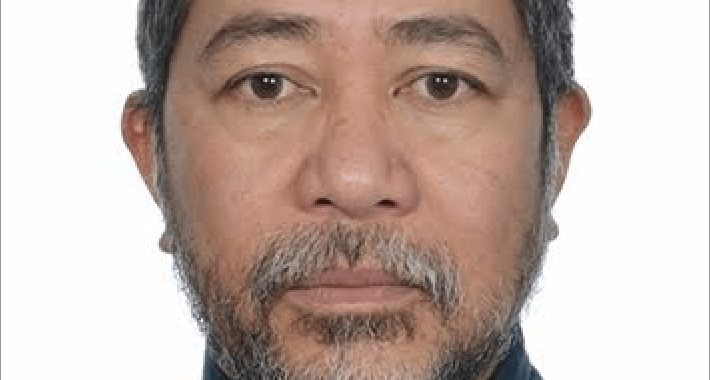
Prof. Borass in a sweater

February 21 – Jun Borras – Land Struggles and Scholar-Activism

Co-sponsored by Southeast Asian Coastal Interactions (SEACoast)

The talk will argue that land struggles as framed by agrarian, food and environmental justice movements have regained academic and political importance in recent years, but that in the era of fragmented working classes and environmental/climate crisis, these require rethinking and reframing. Mapping contemporary land issues of working classes, the talk will emphasise the need to look into the changing social dynamics in rural-urban, agriculture-nonagriculture continuum/corridor and production/social reproduction, and land/labour entanglements as useful reference points to think about political struggles around land and labour, livelihoods and ecological sustainability along class and intersecting axes of social differences (race/ethnicity, gender, generation). The talk will explore the small but important role played or ought to be played by scholar-activists in these political struggles. The talk will mobilise insights from Southeast Asia country cases (and by extension, southern China), and from some African countries and Colombia where I have ongoing field research. 

Jun Borras is a Filipino migrant worker currently working as professor of agrarian studies at the International Institute of Social Studies (ISS) of the Erasmus University of Rotterdam in The Hague, Netherlands. He is a long-time agrarian movement activist in the Philippines and internationally. He was a member of the International Coordinating Committee of the La Via Campesina during its formative years, in 1993-1996. He is a recipient of the European Research Council Advanced Grant, enabling him to study how land rushes shape global social life, and does fieldwork for this in Southeast Asia and China, Ethiopia and Colombia. He works in the tradition of, and at the same time studies, scholar-activism. He was Editor-In-Chief of Journal of Peasant Studies for 15 years until 2023. He co-organizes the regular International Writeshop in Critical Agrarian Studies and Scholar-Activism meant for PhD researchers and early career scholars from/in the Global South.  

Date | Time
February 21, 2024 | 12:15 – 1:30 PM [PST]
Free and open to the public

Venue | Location
Humanities Building 1, Room 210
University of California, Santa Cruz
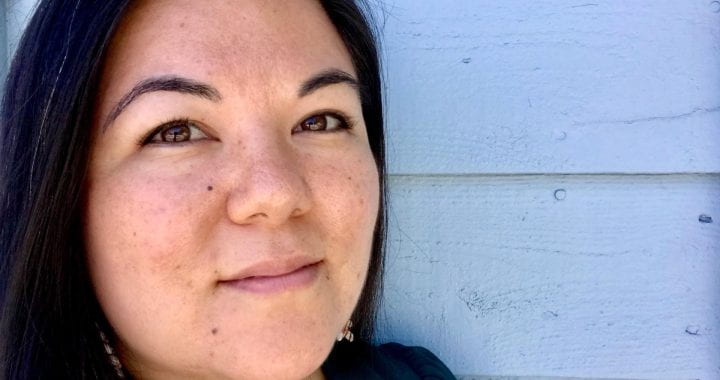
Prof polzak white wall

February 28 – Kailani Polzak – Voyage Visuality: European Representations of Oceania at the Intersection of Eighteenth-Century Racial Theory and Artistic Practice

Amid discussions about universal rights, contestations over land, and debates over the morality of chattel slavery, eighteenth-century Europeans increasingly sought to codify social hierarchy in observable physical differences. This project depended upon and spurred the production of circulatable pictures of bodies in the form of prints. At the same time, recent encounters between European and Pacific Islanders disrupted previously accepted human divisions based on a four-continent model. This talk will analyze prints made after European voyages in Oceania to consider how these works give form to interactions between different visual practices and ways of knowing. Though images made during the so-called “voyages of discovery” are often treated as mere illustrations, this talk will indicate how they do not simply replicate European racialist theories but rather reveal uncertainties and shifts in the visual epistemologies of race.

Kailani Polzak is an Assistant Professor in the History of Art and Visual Culture at the University of California, Santa Cruz. She specializes in early-modern European visual culture, focusing on questions of intercultural contact, race, and colonialism in representations of the Pacific. Polzak’s current book project examines the graphic and printed works created about the circumnavigatory expeditions conducted by Britain, France, and Russia in Aotearoa New Zealand, Australia, and Hawaiʻi in the late eighteenth and early nineteenth centuries and traces how these pictures were mobilized in constructions of racial difference and geographical space. Her current research and publications emphasize the methodological questions raised by writing about and curating colonial histories from multiple perspectives.

Date | Time
February 28, 2024 | 12:15 – 1:30 PM [PST]
Free and open to the public

Venue | Location
Humanities Building 1, Room 210
University of California, Santa Cruz
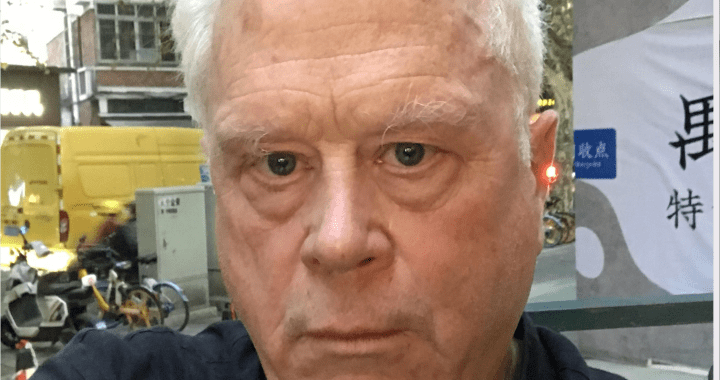
Prof. Connery, street background

March 6 – Christopher Connery – China and the Mutations of Neoliberalism: Thoughts on the Current Conjuncture

China’s economic and social development over the last 25 years has featured significant elements from the neoliberal playbook–ideologies of competition and human capital, market metrics, efficiency, suppression of labor rights, and more–coexisting with severe state limitations on private property, impediments to the formation of a capitalist class, and, especially in the last ten years, an expansion of state-owned enterprises and party control of the economy. This talk argues for the continued relevance of neoliberalism to an understanding of China today, and suggests that China’s particular and limited neoliberal character offers insights into the nature of contemporary capitalism, and of its antagonists.

Christopher Connery is Professor of Literature at UC Santa Cruz. He has published on early imperial Chinese literati culture (Empire of the Text: Writing and Authority in Early Imperial China); the oceanic mythos in early and late capitalism (“Pacific Rim Discourse”, “The Oceanic Feeling”, “Sea Power”, et al); the global 1960s (The Asian Sixties , The Sixties and the World Event, “The World Sixties”, “The End of the Sixties”); and contemporary Chinese intellectual politics and culture. Since 2010 he has been a member (writer, performer, political consultant) of Shanghai-based, Chinese-language theater group Grass Stage, which has performed throughout China, as well as Hong Kong, Taiwan, Japan, and North America.

Date | Time
March 6, 2024 | 12:15 – 1:30 PM [PST]
Free and open to the public

Venue | Location
Humanities Building 1, Room 210
University of California, Santa Cruz
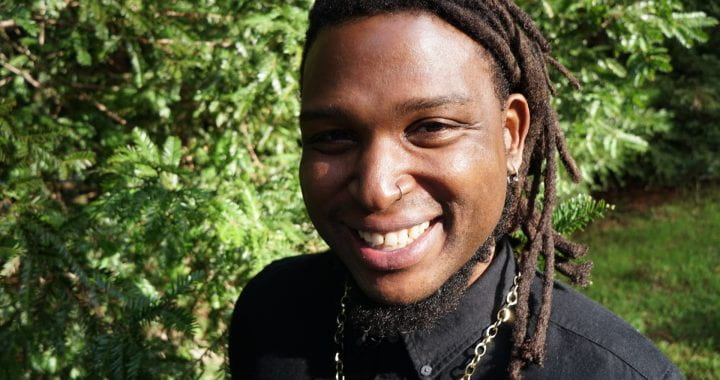
person in black button down in front of bush

October 11 – Nick Mitchell – The University in Surplus Perspective, 1945-1968

Is it possible to historicize higher education without taking its basic categories for granted? In this talk, I aim to provide a historical and theoretical framework for the emergence of mass higher education in the twentieth century U.S. framed by the problem of surpluses—population, labor, and governance capacity. Faced with the prospect of mass unemployment in the wake of the second world war, U.S. state-making found in the university a means of putting wartime budget surpluses to work in an effort to absorb demobilized population and labor surpluses. The category of the college student emerges in this period as a means of anticipating and managing the potential crises attendant to modern warfare. But as it develops, it does not remain there. The university as a site for the absorption of surplus emerges as a site for the struggle over how and toward what ends surplus time—time free of and freed from the wage—might be used.

Nick Mitchell (she/her) works in the Department of Feminist Studies and the Department of Critical Race and Ethnic Studies at UC Santa Cruz. As a researcher, Mitchell is principally engaged with higher education in the U.S. as a problem for historical and theoretical inquiry. As a writer, Mitchell aims to make better sense of university life-worlds by developing scales, vocabularies, and categories to reframe and rethink its rhythms and textures. These research and writing efforts can be found in essays published in Feminist Studies, Critical Ethnic Studies, The New Inquiry, and Spectre, as well as in two forthcoming books: Discipline and Surplus: Black Studies, Women’s Studies, and the Dawn of Neoliberalism (under contract with Duke University Press) and The University, in Theory: Essays on Institutionalized Knowledge.

Date | Time
October 11, 2023 | 12:15 – 1:30 PM [PST]
Free and open to the public

Venue | Location
Humanities Building 1, Room 210
University of California, Santa Cruz
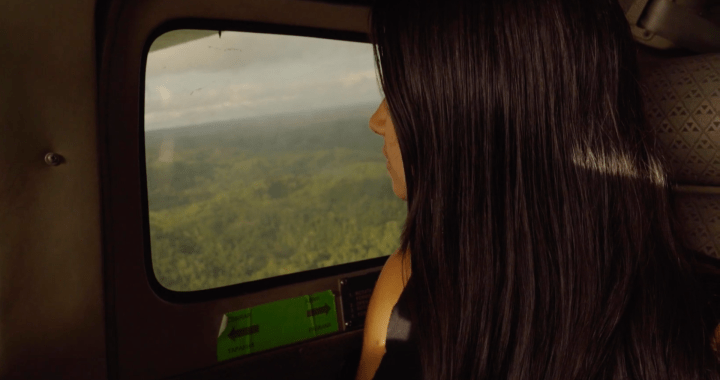
Long haired person looking out airplane window

October 18 – Martina Broner – From Arboreal to Aerial: Seeing the Amazon from Above

Can seeing the Amazon from above bring about new perspectives on the forest at a critical time? This talk proposes that the documentary Helena Sarayaku manta (dir. Eriberto Gualinga, 2021) rethinks the aerial view by pushing against its historical associations with omniscience and a desire for mastery and by reframing it instead around the vitality of the forest in a site that resists exploitation: the Indigenous territory of Sarayaku in the Ecuadorian Amazon. As I examine the role of trees in the film’s production, I argue that Helena Sarayaku manta achieves this new aerial grammar through an attunement to the arboreal.

Martina Broner’s research sits at the intersection of Latin American cinema and media studies and the environmental humanities. Her book manuscript, Forest Formats: Media and Environment in the Amazon, examines new media formats that emerge from entanglements between human and other living entities in the transnational Amazon rainforest. She is assistant professor in the Department of Spanish and Portuguese at Dartmouth.

Date | Time
October 18, 2023 | 12:15 – 1:30 PM [PST]
Free and open to the public

Venue | Location
Humanities Building 1, Room 210
University of California, Santa Cruz
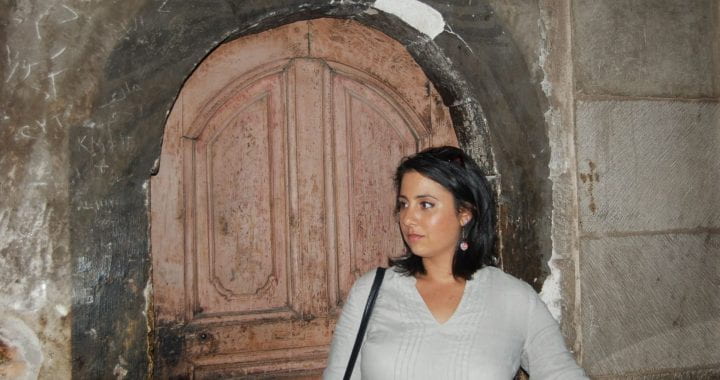
Image by Eriberto Gualinga

woman in white shirt in front of wood door

November 1 – Jennifer Mogannam – TEACH-IN: Ongoing Genocide in Palestine

A genocide in Palestine is unraveling in front of our eyes. This teach-in will provide a feminist framework and people-centered analysis that centers power and Palestinian experiential knowledge. This teach-in will situate what is happening now in Palestine, historicize the current moment, and attend to the disproportionality and selective humanity that has dominated the mainstream. The racialized, anti-Palestinian discursive tropes of mainstream media, which the UC has engaged, has resulted in material losses, including of life both here and abroad. This teach-in will address these themes and hopes to enable a conversation around action in the face of injustice.

Jennifer Mogannam is an Assistant Professor of Critical Race & Ethnic Studies and an affiliate of the Center for the Middle East & North Africa at UC Santa Cruz. Prior to UC Santa Cruz, she was a UC President’s postdoctoral fellow at UC Davis and, through the program, was selected as a 2023-24 Mellon Foundation/UC-HSI Humanities Initiative Faculty Fellow. She earned her PhD in Ethnic Studies from UC San Diego and her MA in Arab and Middle Eastern Studies from the American University of Beirut. Her scholarship is cross-disciplinary – centering oral history, ethnography, archives, and cultural criticism – and broadly examines 20th and 21st century Palestinian and Arab transnational movements and third world solidarities, with an eye for analyzing movement praxis for liberated futures. Her work intervenes in the critical study of refugees, borders, colonialism and imperialism, global scales of race and indigeneity, and resistance. Her current book project frames and analyzes the coalitional relationship forged between Palestinian and Lebanese revolutionary fronts during Civil War Lebanon.

Date | Time
November 1, 2023 | 12:15 – 1:30 PM [PST]
Free and open to the public

Venue | Location
Humanities Building 1, Room 210
University of California, Santa Cruz
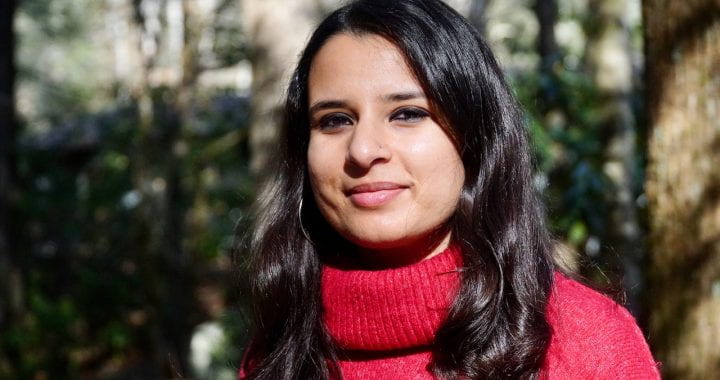
 

woman in red turtleneck

November 8 – Hafsa Kanjwal – Colonizing Kashmir: State-building Under Indian Occupation

Cosponsored by the Center for South Asian Studies

In this talk, Dr. Hafsa Kanjwal discusses her new book Colonizing Kashmir: State-Building Under Indian Occupation. The book interrogates how Kashmir was made “integral” to India through a study of the decade long rule (1953-1963) of Bakshi Ghulam Mohammad, the second Prime Minister of the State of Jammu and Kashmir. Drawing upon a wide array of bureaucratic documents, propaganda materials, memoirs, literary sources, and oral interviews in English, Urdu, and Kashmiri, Kanjwal examines the intentions, tensions, and unintended consequences of Bakshi’s state-building policies in the context of India’s colonial occupation. She reveals how the Kashmir government tailored its policies to integrate Kashmir’s Muslims while also showing how these policies were marked by inter-religious tension, corruption, and political repression. Challenging the binaries of colonial and postcolonial, Kanjwal historicizes India’s occupation of Kashmir through processes of emotional integration, development, normalization, and empowerment to highlight the new hierarchies of power and domination that emerged in the aftermath of decolonization. In doing so, she urges us to question triumphalist narratives of India’s state-formation, as well as the sovereignty claims of the modern nation-state.

Hafsa Kanjwal is an assistant professor of South Asian History in the Department of History at Lafayette College in Easton, Pennsylvania, where she teaches courses on the history of the modern world, South Asian history, and Islam in the Modern World. As a historian of modern Kashmir, she is the author of Colonizing Kashmir: State-building Under Indian Occupation (Stanford University Press, 2023), which examines how the Indian and Kashmir governments utilized state-building to entrench India’s colonial occupation of Kashmir in the aftermath of Partition. 

 Hafsa has written and spoken on her research for a variety of news outlets including The Washington Post, Al Jazeera English, and the BBC. She received her Ph.D. in History and Women’s Studies from the University of Michigan and a Bachelors in Regional Studies of the Muslim World from the School of Foreign Service at Georgetown University.

Date | Time
November 8, 2023 | 12:15 – 1:30 PM [PST]
Free and open to the public

Venue | Location
Humanities Building 1, Room 210
University of California, Santa Cruz
Zoom Registration Link: https://bit.ly/45QVLw0


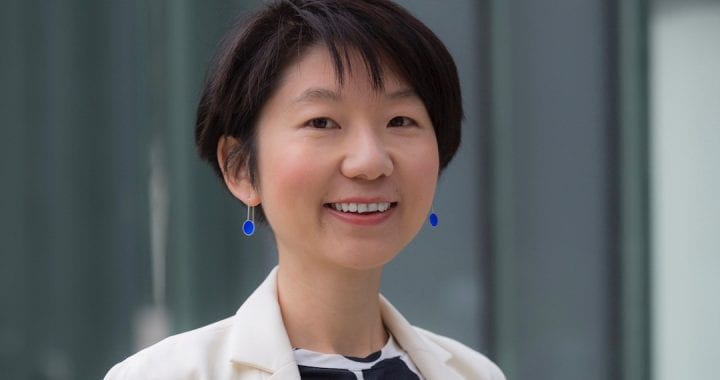
Prof. Zuo in white jacket

November 15 – Ya Zuo – Feeling the Universe: Phenomenology of Emotion in Premodern China

What is an emotion? Are your feelings inside you, or somewhere out there in the world? In this talk, Ya Zuo introduces the phenomenology of emotion in premodern China. The Chinese theories offer an interesting understanding of affectivity which places emotions beyond the subject. Emotion is simultaneously a deep cosmic order exceeding the mundane world and a fact anchored in the human body. A feeling, therefore, is constantly universal and personal at the same time.

Ya Zuo is an associate professor of History at University of California, Santa Barbara. She is a cultural historian of middle and late imperial China. She is the author of Shen Gua’s Empiricism (Harvard University Press, 2018) and a range of articles on subjects such as theory of knowledge, sensory history, medical history, and the history of emotions.

Date | Time
November 15, 2023 | 12:15 – 1:30 PM [PST]
Free and open to the public

Venue | Location
Humanities Building 1, Room 210
University of California, Santa Cruz
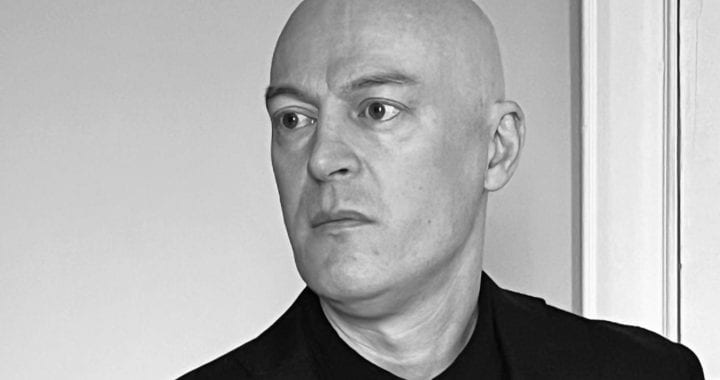
black and white headshot

November 29 – Robert Nichols – The Indian Wars Have Never Ended

In the 1960s and 70s, Red Power intellectuals and activists engaged in a remarkably ambitious wholesale rewriting of American Indian history. New works of popular and academic history challenged standard narratives of U.S. territorial expansion, with particular emphasis paid to major events of the nineteenth century ‘Indian Wars’, such as Sand Creek, Wounded Knee, and the Battle of the Little Bighorn. This presentation seeks to understand Red Power Historiography as more than just retrospective revision and, instead, as a distinct mode of contemporaneous political critique. Particular attention is paid to the way that Red Power Historiography helped to reframe popular interpretations of Cold War conflict, especially, the spectre of the guerilla, the partisan, and the revolutionary insurgent. Work from this period serves as a model then for how we might bind disparate struggles together, across great time and space.

Robert Nichols is Professor of History of Consciousness at the University of California, Santa Cruz. His work in social and political theory has been published in several books and journal articles, including Theft is Property! Dispossession and Critical Theory (Duke, 2020); The Dispossessed: Karl Marx’s Debates on Wood Theft and the Right of the Poor, ed. and trans., (Minnesota, 2021); and The World of Freedom: Heidegger, Foucault, and the Politics of Historical Ontology (Stanford, 2014).

Date | Time
November 29, 2023 | 12:15 – 1:30 PM [PST]
Free and open to the public

Venue | Location
Humanities Building 1, Room 210
University of California, Santa Cruz
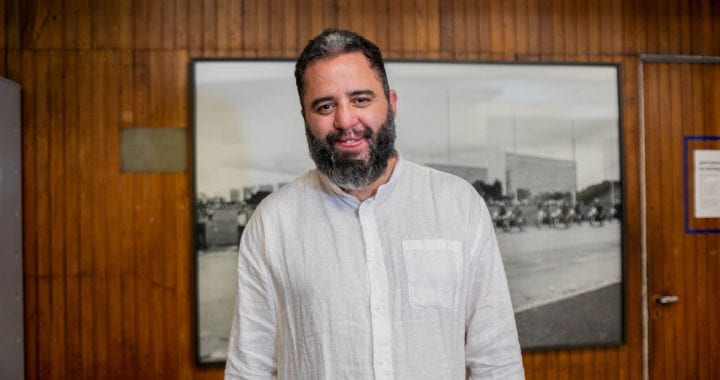
person in white shirt standing in front of wall

December 6 – Cláudio Bueno – what we couldn’t (…) alone

The talk will reflect on ways of (thinking/caring/moving/fighting/feeling/imagining…) together. It will address our ability to invent forms of collective engagement and debate on complex socio-environmental issues. Conversations will be triggered by the artistic practices and public programs carried out by the artist and professor Cláudio Bueno, working collectively with social, ecological, and land-based movements, cultural and educational institutions, networks, territories, platforms, and groups.

Cláudio Bueno is an artist and curator from Sao Paulo, Brazil. He is an Assistant Professor in Social Design at the UCSC Art Department, teaching at the Environmental Art and Social Practice MFA. Bueno is also an affiliated professor of Visualizing Abolition Studies. He has engaged in several collaborative practices committed to social and environmental justice, featuring in many international exhibitions, artistic residencies, awards, and talks. More at: https://art.ucsc.edu/people/claudio-bueno

Date | Time
RESCHEDULED: December 6th | 12:15 – 1:30 PM [PST]
Free and open to the public

Venue | Location
Humanities Building 1, Room 210
University of California, Santa Cruz